

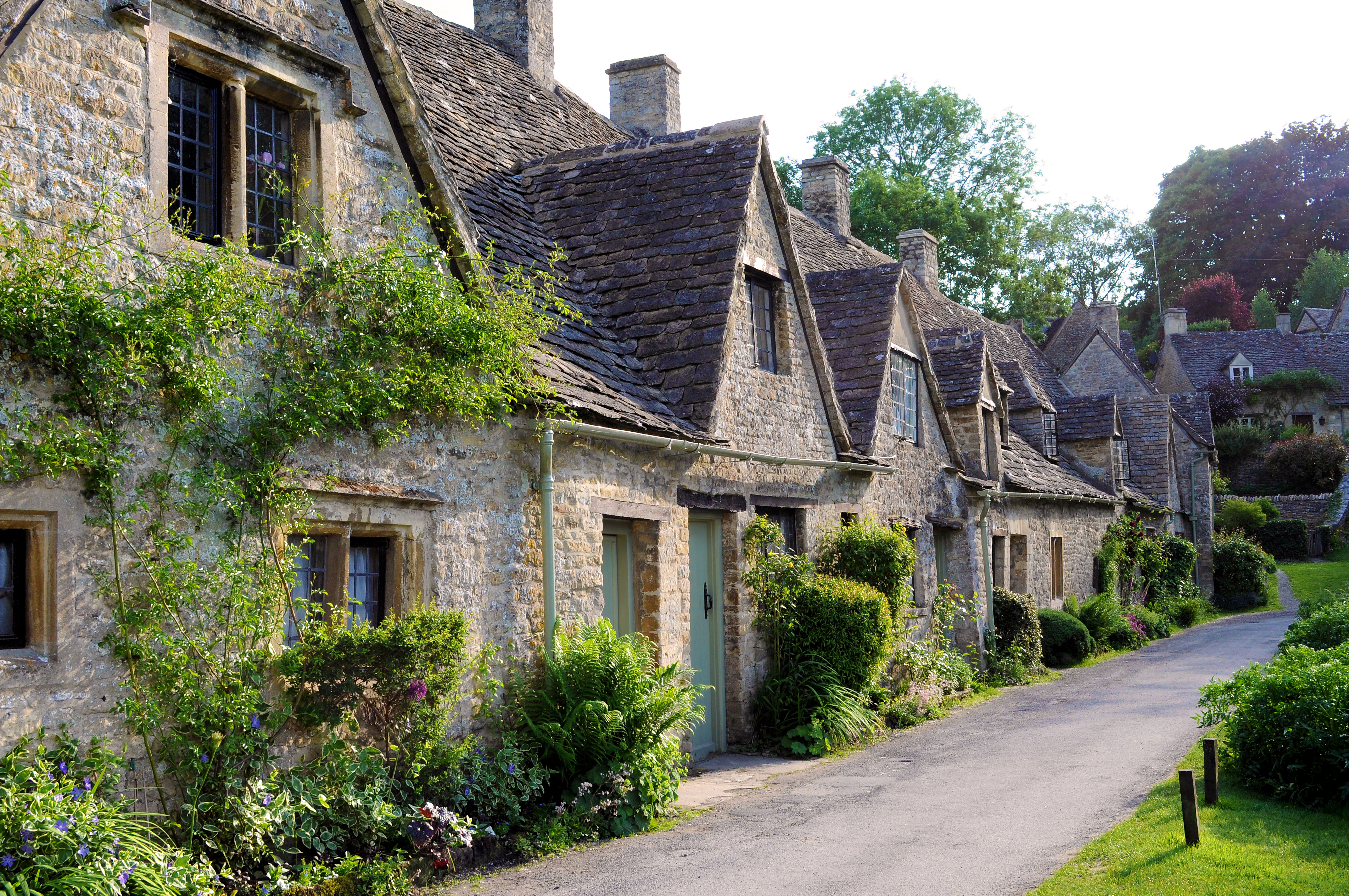
Installing a heat pump in a listed building or conservation area can feel daunting. Many homeowners assume renewable heating is either prohibited or guaranteed to trigger planning issues. In reality, heat pumps are not automatically ruled out, but the type of system and how it affects the property matters a great deal.
This guide explains what is usually allowed, why some heat pump installations face resistance, and which approaches tend to work best when heritage and planning constraints apply.
Why planning is often a concern with traditional heat pumps
Listed buildings and conservation areas exist to protect historic character. Planning authorities are not opposed to low-carbon heating, but they are cautious about changes that could permanently alter a building or its setting.
Heat pump proposals are typically assessed against three core principles:
- Visual impact
- Noise
- Reversibility (meaning whether changes can be undone without damage)
Problems arise when a system conflicts with one or more of these principles.
Air source heat pumps and visual impact
Air source heat pumps (ASHPs) are the most common heat pump in the UK, but they are also the most likely to encounter objections in sensitive locations.
Common planning issues with ASHPs include:
- External condenser units visible on elevations
- Impact on historic façades or rooflines
- Noise concerns, particularly in quiet or rural settings
- Limited placement options in terraced or courtyard properties
Even where technically permitted development, ASHPs may still be refused if they are judged to harm the character or appearance of a listed building or conservation area. In practice, many owners begin the process assuming an ASHP is the default option, only to discover that visibility or noise restrictions make approval uncertain.
Ground source heat pumps and ground disturbance
Ground source heat pumps (GSHPs) avoid external units, which can reduce visual impact. However, they introduce a different set of challenges related to ground intervention.
Why GSHPs raise heritage concerns
While GSHPs can be technically suitable for older buildings, the way they are installed often triggers objections from planners and conservation officers.
Common concerns include:
- Borehole drilling that may disturb archaeology
- Trenches that affect historic landscaping or curtilage
- Heavy machinery access that risks damaging protected ground
- Installations that are difficult or impossible to reverse
In conservation areas or curtilage-listed sites, planners may request archaeological surveys or refuse consent outright if ground disturbance is considered excessive. This is why many heritage projects stall at feasibility stage, even when GSHPs appear suitable on paper.
What planners usually care about
Across most UK planning authorities, the same considerations arise repeatedly when heat pumps are proposed in restricted properties.
1. Noise
Operational noise is assessed carefully, particularly at night and in quiet rural or historic environments.
2. Visibility
Any external elements, including units, grilles, vents, or pipework, are scrutinised for their impact on character and setting.
3. Reversibility
Systems that can be removed without permanent alteration are strongly preferred over those involving drilling, cutting, or structural change.
4. Impact during installation
Access routes, machinery size, and construction disruption all matter, especially where historic fabric or landscapes are involved. Understanding these priorities makes it much easier to select a system that aligns with planning expectations.
How surface-based systems avoid common objections
Surface-based geothermal systems take a different approach to heat collection, and this is where many of the typical planning concerns are avoided.
Rather than relying on external units or deep boreholes, energy is collected from near-surface ground areas such as:
- Driveways
- Paths
- Courtyards
- Access roads
Because the energy collector is integrated into the surface itself, the system:
- Has no visible outdoor unit
- Requires no boreholes
- Involves minimal ground disturbance
- Is typically fully reversible
For planners, this aligns closely with heritage principles, including low visual impact, low noise, and limited intervention.
When specialist advice is needed
Not every listed building or conservation area is the same. Specialist input is often required where:
- The property is Grade I or Grade II*
- The site includes known archaeology
- The setting is particularly sensitive
- Previous planning refusals exist
In these cases, early feasibility advice can save significant time and cost. Understanding what planners are likely to accept before submitting an application is often critical.
A practical conclusion
Heat pumps can be suitable for listed buildings and conservation areas, but success depends on choosing the right approach.
Air source heat pumps can struggle with noise and visibility concerns. Ground source heat pumps often raise objections related to drilling and ground disturbance. Surface-based geothermal systems avoid many of these issues by design.
For restricted properties, the most effective solution is often the one that introduces the least change: visually, physically, and historically.
Next steps
If a property has planning or heritage restrictions, it is usually worth exploring heating systems designed to work within those limits rather than pushing against them.
For a clearer comparison of systems that avoid external units and minimise ground disturbance, see how Teratherm’s surface-based approach works in practice. Or, explore our guide on alternatives to traditional ground source heat pumps.